The Science of the 'Food Coma': Why We Feel Overwhelmingly Sleepy After Lunch
Understand the biochemical causes of 'food coma' (postprandial somnolence), insulin spikes, tryptophan metabolism, and how to maintain afternoon energy.
By Khmer Digital News Editorial Team | Published: October 16, 2026
Key Takeaways:
- The acute lethargy experienced following a substantial midday meal is clinically classified as postprandial somnolence (popularly dubbed a "food coma").
- Meals heavy in refined carbohydrates and lipids stimulate parasympathetic "rest-and-digest" pathways and trigger insulin-mediated surges in brain tryptophan.
- Elevated tryptophan converts directly into calming serotonin and sleep-inducing melatonin, while balancing macronutrients and post-meal walking prevent afternoon fatigue.
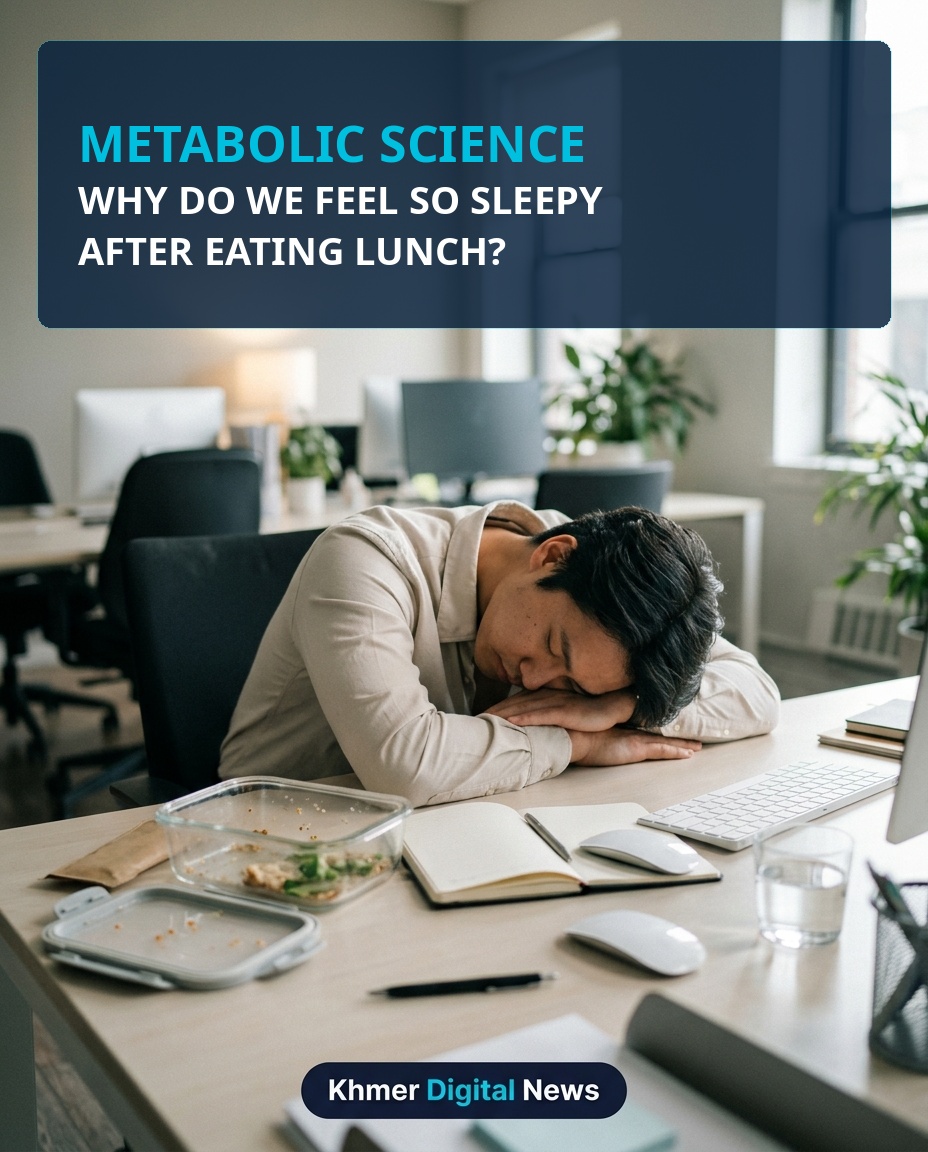
PHNOM PENH — For millions of professionals and students worldwide, the 2:00 PM hour represents a grueling daily hurdle. Following an enjoyable midday meal, energy levels abruptly plummet: eyelids grow leaden, mental acuity clouds over, and an overwhelming desire to nap takes hold. Far from a sign of mere personal laziness, this pronounced slump represents an intricate biological cascade known clinically as postprandial somnolence, as documented by gastroenterologists and endocrinologists at the Cleveland Clinic.
1. Autonomic Shifting: The 'Rest-and-Digest' Priority
When the digestive tract receives a substantial influx of calories, the autonomic nervous system undergoes a profound operational shift. The sympathetic "fight-or-flight" branch dials down, yielding command to the parasympathetic network—the bodily division tasked with "rest and digest." To facilitate nutrient absorption, splanchnic blood circulation to the intestines increases significantly. While overall systemic blood pressure remains tightly regulated, the generalized parasympathetic dampening promotes systemic physical relaxation and lowered muscular readiness across the body (Cleveland Clinic Health Insights).
2. Hormonal Chemistry: The Insulin-Tryptophan Pathway
The definitive biochemical trigger of post-meal drowsiness lies in carbohydrate-driven neurotransmitter synthesis. Ingesting high-glycemic carbohydrates (such as white rice, refined noodles, and sugary beverages) induces rapid spikes in blood glucose, prompting the pancreas to release large quantities of insulin. Insulin facilitates the absorption of branched-chain amino acids into skeletal muscle tissues, but leaves the aromatic amino acid tryptophan circulating freely in the blood. Unopposed, tryptophan effortlessly crosses the blood-brain barrier, where cerebral enzymes convert it into serotonin (which induces calmness and satiety) and subsequently into melatonin—the human body’s master sleep hormone.
3. Strategic Nutrition: How to Defeat the Midday Slump
Nutritionists emphasize that the severity of postprandial somnolence is directly linked to meal composition and volume. To sustain razor-sharp mental focus throughout the afternoon, experts recommend several actionable strategies:
- Rebalance Macronutrients: Restrict refined starch portions and anchor lunches with lean proteins (chicken, fish, eggs) and high-fiber cruciferous vegetables that slow glycemic absorption.
- Practice Moderate Portioning: Eat until roughly 80% full, preventing the extreme gastric distention that triggers heavy parasympathetic cascades.
- Take a 10-Minute Brisk Walk: A brief post-lunch stroll stimulates muscular glucose uptake independent of insulin, curbing hormonal spikes and revitalizing cerebral oxygenation.
Primary Sources: Reported by the Khmer Digital News Editorial Team based on metabolic research from the Cleveland Clinic.